
Women in Leadership in Africa: Breaking Barriers And Shaping The Future
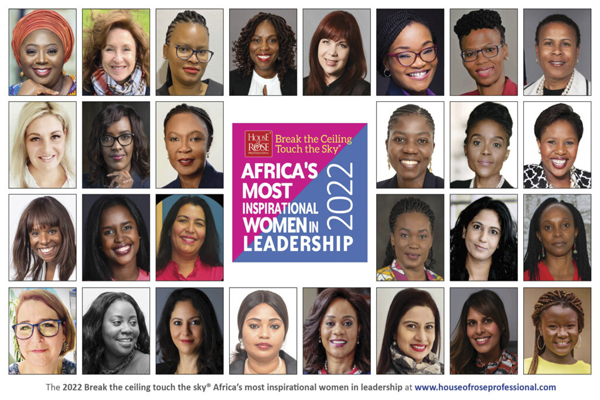
Women in leadership positions across Africa are making significant strides in various sectors, challenging societal norms, and breaking barriers that have persisted for generations. Despite facing numerous challenges, African women have risen to prominent positions in politics, business, education, and more. Let us explore the remarkable progress, challenges, and the future of women in leadership in Africa.
Throughout African history, women have played vital roles within their communities, often serving as matriarchs, healers, and advisors. However, colonialism and patriarchal systems have marginalized women, limiting their access to leadership roles. With the continent’s move towards independence in the mid-20th century, African women started to assert their presence in leadership positions.
Political Leadership
- Ellen Johnson Sirleaf, the former President of Liberia, became Africa’s first female head of state in 2006. Her leadership was instrumental in stabilizing Liberia after years of civil war and conflict.
- Ngozi Okonjo-Iweala, a Nigerian economist and former Finance Minister, made history by becoming the first African and first female Director-General of the World Trade Organization (WTO) in 2021.
- Sahle-Work Zewde, the President of Ethiopia, took office in 2018, making her the first female head of state in modern Ethiopian history.
These women, among many others, have shown that women can excel in the political arena, driving change and development across the continent.
Business Leadership
African women entrepreneurs have been making their mark in various industries, promoting economic growth and empowerment.
- Isabel dos Santos, an Angolan businesswoman, is often cited as one of the richest women in Africa, with investments in telecommunications, banking, and energy.
- Bethlehem Tilahun Alemu, the founder of soleRebels, a sustainable footwear company in Ethiopia, has gained international recognition for her work in promoting eco-friendly business practices.
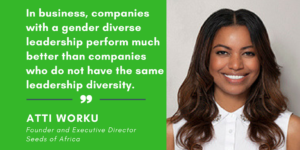
- Ibukun Awosika, the first female Chairman of First Bank of Nigeria, is a trailblazer in the banking industry, advocating for gender diversity in corporate leadership.
Education Leadership
African women have made significant contributions to education, both in terms of teaching and policy-making.
- Graça Machel, the former Minister of Education and Culture in Mozambique, has been a strong advocate for education and women’s rights.
- Amina J. Mohammed, the former Minister of Environment in Nigeria and now the Deputy Secretary-General of the United Nations, has worked to promote sustainable development and education in Africa.
Challenges and Opportunities
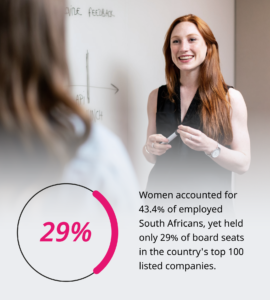
Despite the progress, African women in leadership continue to face challenges, including gender-based discrimination, cultural biases, and limited access to resources. Additionally, there is a need for greater representation of women in leadership positions, as many sectors remain male-dominated.
However, several factors are driving change:
- Advocacy and awareness: Women’s organizations and activists across Africa are advocating for gender equality, pushing for changes in laws and policies.
- Education and empowerment: Programs and initiatives aimed at educating and empowering women are on the rise, providing them with the skills and resources needed to thrive in leadership roles.
- Support from men: Many men are becoming allies in the fight for gender equality, recognizing the importance of women in leadership positions and actively supporting their advancement.
The Future of Women in Leadership in Africa
The future of women in leadership in Africa looks promising. As more women break through barriers, inspire others, and gain the support of society, they are poised to play an even greater role in shaping the continent’s future.
The African proverb “If you educate a man, you educate an individual. If you educate a woman, you educate a nation” underscores the significance of women in leadership. Their leadership not only benefits their individual communities but also has a ripple effect that positively impacts society and the continent as a whole.
In conclusion, women in leadership positions in Africa have come a long way, demonstrating resilience and tenacity in the face of challenges. As the continent continues to progress, it is crucial to support and empower more women to take on leadership roles, as they are key to Africa’s continued growth and development.