
Equal Participation and Leadership: Building a More Equitable and Inclusive Society
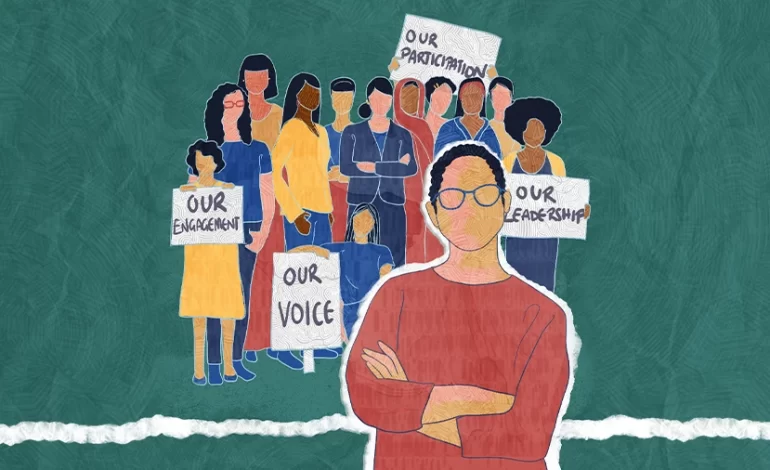
In today’s increasingly interconnected and diverse world, the principles of equal participation and leadership have gained paramount significance. These principles not only promote social justice and inclusivity but also serve as the cornerstones of a flourishing and progressive society. Read further in this article, we will delve into the importance of equal participation and leadership and explore how they contribute to a more equitable, innovative, and harmonious society.

Equal Participation: The Foundation of Democracy
Equal participation, at its core, represents the idea that every individual, regardless of their background, should have an equal opportunity to engage in the decision-making processes that affect their lives. This fundamental concept is the bedrock of democratic societies, as it ensures that every voice is heard and every perspective considered, leading to a more robust and resilient society.
Inclusivity: Fostering a Sense of Belonging
One of the most compelling aspects of equal participation is its ability to create an inclusive society where marginalized communities, who are often underrepresented, have the opportunity to have their concerns addressed. In a world brimming with diversity, it is crucial to establish inclusive platforms that make every citizen feel heard, valued, and genuinely part of the social fabric. Inclusivity fosters a sense of belonging, promoting a harmonious coexistence where differences are celebrated, not suppressed.
Better Decision-Making: Harnessing the Power of Diverse Perspectives
Diverse perspectives are instrumental in making informed, well-rounded decisions. When individuals from various backgrounds come together to solve complex problems, they bring unique insights and experiences to the table. This diversity of thought and experience leads to more innovative and effective solutions. In essence, equal participation enhances not only the quantity but also the quality of decision-making.
Social Cohesion: Strengthening the Social Fabric
By fostering a sense of belonging and inclusion, equal participation strengthens social cohesion. When people feel that they have a stake in the decisions that affect their lives, they are more likely to be invested in the well-being of their community. A society marked by social cohesion is more resilient in the face of challenges, as individuals are motivated to work together for the common good.
Leadership: Diverse Voices at the Helm
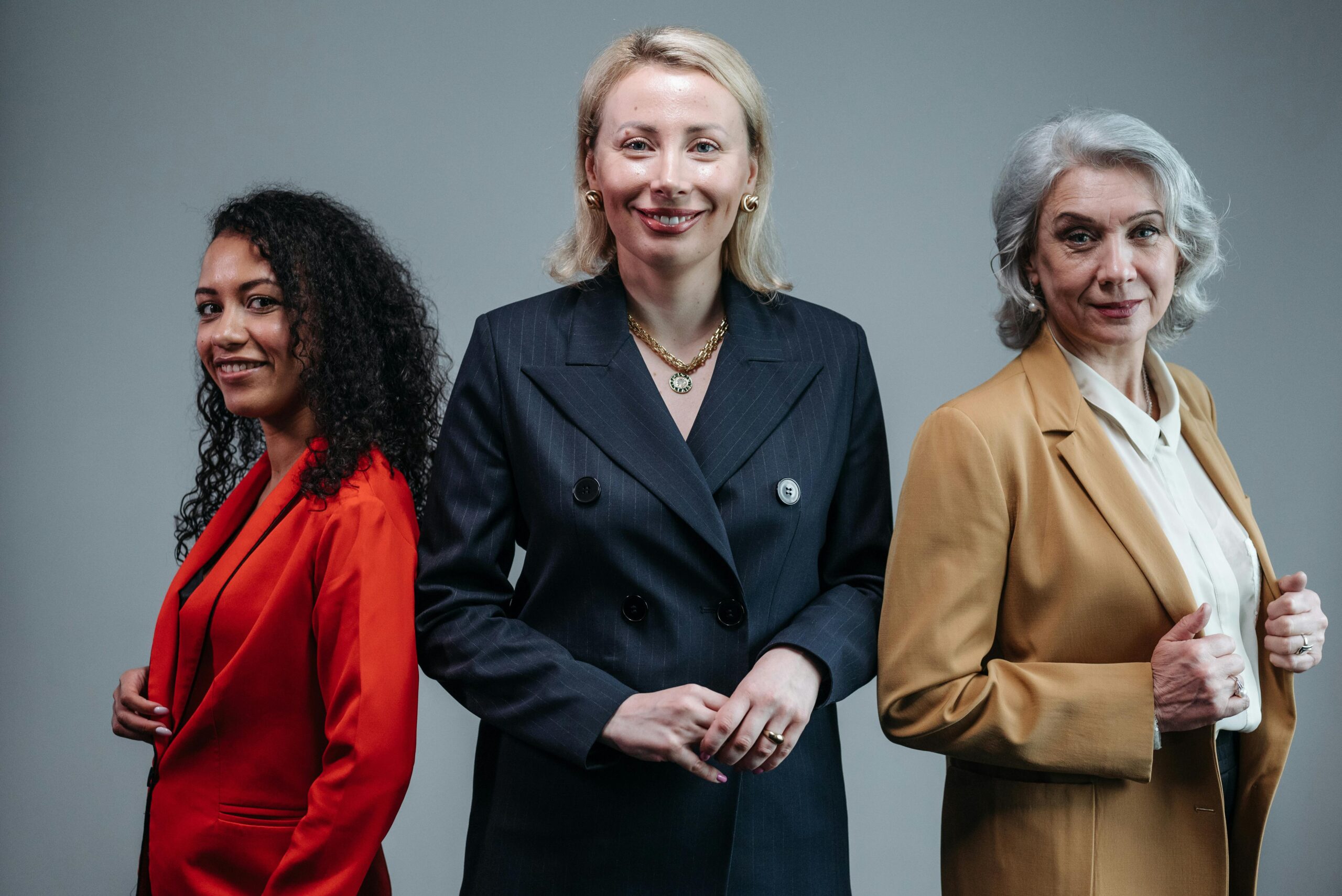
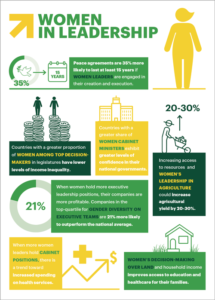
Leadership, both in the public and private sectors, plays a vital role in shaping the direction of society. In the context of equal participation, it’s essential that leadership roles reflect the diversity of the population they serve. Diverse leadership brings fresh ideas, promotes representation, and serves as a source of inspiration for future generations.
Representation: Inspiring and Breaking Down Barriers
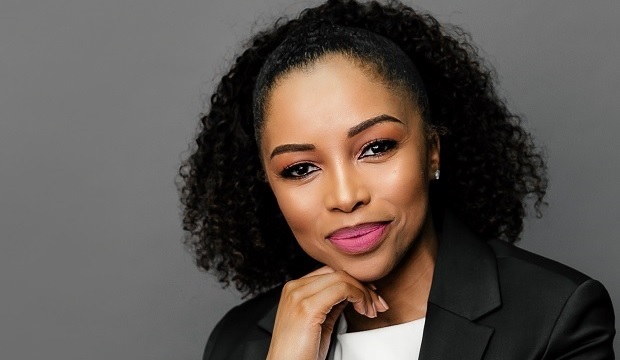
Diverse leadership provides role models for individuals from underrepresented backgrounds. When people see leaders who look like them or share their experiences, it can encourage them to aspire to leadership roles and break down barriers. These role models not only inspire future leaders but also validate the worth of individuals who may have felt excluded in the past.
Innovation: Nurturing Creative Approaches
Leaders from diverse backgrounds often bring innovative solutions to the table. They draw from their unique experiences, which can lead to creative approaches to societal challenges. The fusion of different perspectives can unlock new ways of thinking and problem-solving, propelling society forward in innovative and unexpected directions.
Cultural Competence: Navigating a Multicultural Society
Diverse leadership is better equipped to understand and navigate the complexities of a multicultural society. This cultural competence is essential for fostering understanding and resolving conflicts. It enables leaders to bridge divides and build bridges between communities, creating a more harmonious society where everyone’s needs are considered and respected.
Challenges to Equal Participation and Leadership
While the principles of equal participation and leadership are crucial, there are significant challenges to achieving them in practice. Recognizing and addressing these challenges is essential to realizing a more equitable and inclusive society.
Implicit Bias: Overcoming Unconscious Preferences
Implicit bias, often deeply ingrained in individuals, can hinder the progress of equal participation and leadership. People may unknowingly favor those who resemble them, leading to the underrepresentation of certain groups in leadership roles. Combatting implicit bias requires ongoing self-awareness and education.
Structural Barriers: Breaking Down Systemic Obstacles
Structural barriers such as systemic discrimination, unequal access to education, and limited opportunities can hinder the participation of marginalized groups. Addressing these systemic obstacles necessitates not only policy changes but also a broader shift in societal attitudes and norms. It’s a multifaceted challenge that requires concerted efforts.
Resistance to Change: Promoting Understanding and Inclusivity
Some individuals or groups may resist diversifying leadership out of fear, uncertainty, or a desire to maintain the status quo. Overcoming this resistance involves engaging in conversations that promote understanding and inclusivity. These dialogues must emphasize the benefits of diverse leadership, dispelling myths and stereotypes that may impede progress.
A Brighter Future for All
Equal participation and leadership are not mere buzzwords but the cornerstones of a just, progressive, and prosperous society. When all individuals, regardless of their background, have the opportunity to participate in decision-making processes and hold leadership roles, society benefits in numerous ways. It becomes more inclusive, innovative, and harmonious, leading to a brighter future for all. It is our collective responsibility to champion these principles, dismantle barriers, and promote the values of equality and diversity to create a better world for everyone. By embracing equal participation and diverse leadership, we pave the way for a future where the potential of every individual is recognized and where the promise of a truly inclusive and equitable society is fulfilled