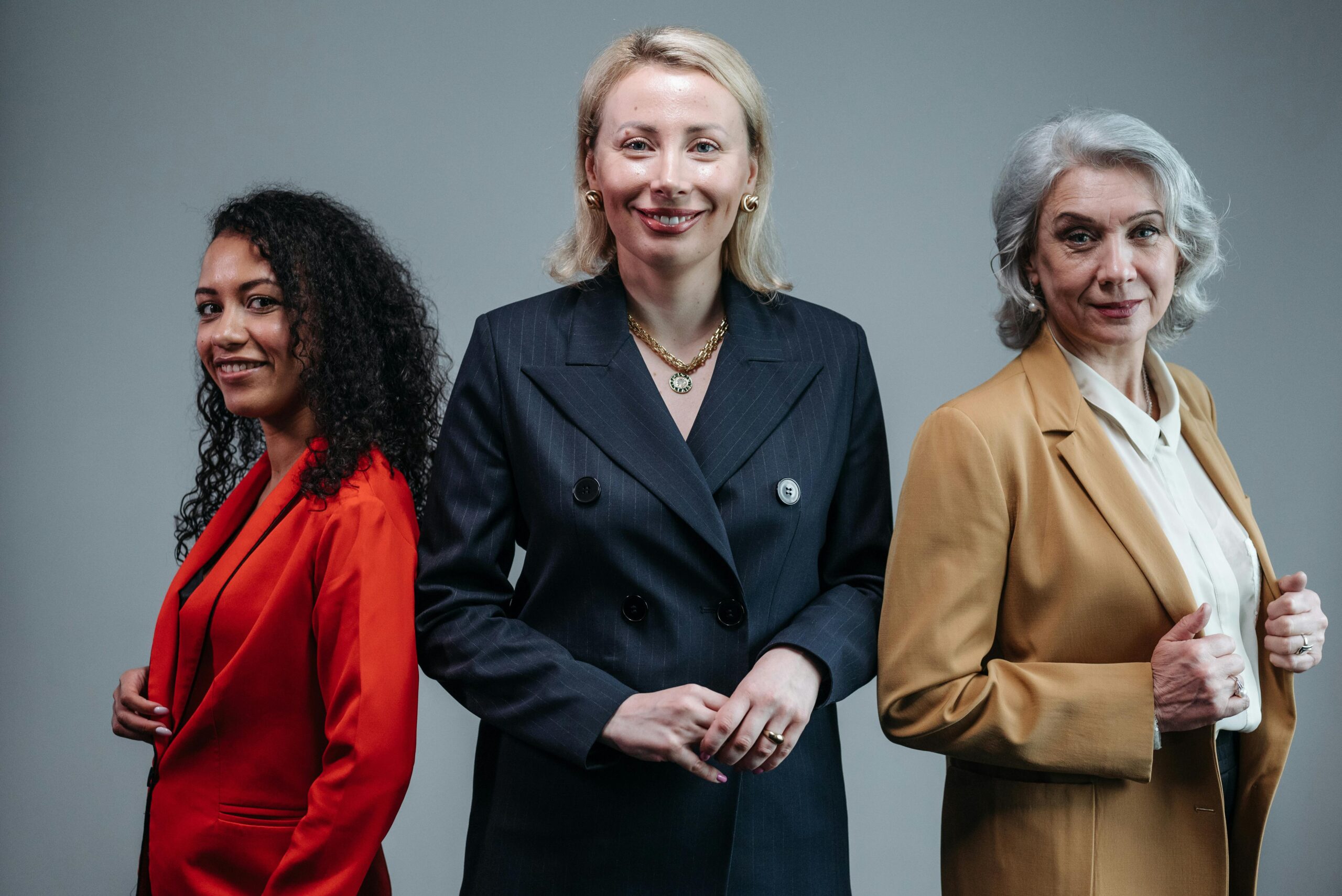



Women in Philanthropy: Reshaping The Landscape Of A Secure Society

BY: LESEGO POTO

Philanthropy has been a driving force for positive change in society for centuries. However, in recent years, the face of philanthropy has undergone a significant transformation. Women have emerged as influential forces in the world of philanthropy, utilizing their wealth, resources, and networks to drive social impact. This read expands on the evolving role of women in philanthropy
The Changing Face of Philanthropy
Historically, philanthropy was largely associated with wealthy men, often portrayed as the primary contributors to social causes. However, the 21st century has witnessed a noticeable shift in the demographics of philanthropists. Women have increasingly taken the lead, showcasing a profound commitment to effecting social change and employing their financial resources in innovative ways. This paradigm shift is reshaping philanthropy, bringing in fresh perspectives, strategies, and priorities.
Strengths and Contributions of Women in Philanthropy
- Empathy and Compassion: Women are often characterized by their higher levels of empathy and compassion, which enable them to connect more deeply with the social issues they support. This empathetic approach fosters a greater understanding of the challenges faced by marginalized communities.
- Focus on Systemic Change: Many women philanthropists are driven by a desire to address the root causes of social issues rather than just their symptoms. This focus on systemic change paves the way for more sustainable and long-term solutions.
- Collaboration and Networking: Women are often adept at building networks and fostering collaborations. This skill is invaluable in philanthropy, where partnerships and cooperation between organizations and individuals can amplify the impact of donations.
- Diverse Interests: Women in philanthropy support a wide range of causes, from education and healthcare to gender equality and environmental sustainability. This diversity allows for a broader spectrum of issues to be addressed, creating a more holistic approach to philanthropy.
- Role Models: Prominent women philanthropists serve as inspirational role models for future generations, inspiring more women to get involved in philanthropy and other areas of leadership.
Prominent Women Philanthropists
Several women philanthropists have emerged as influential figures, exemplifying the transformative power of wealth when harnessed for social good:
1. Melinda Gates: As the co-chair of the Bill and Melinda Gates Foundation, Melinda Gates has been a leading advocate for women’s rights and global health. Her foundation has made significant strides in reducing poverty and improving healthcare worldwide.
2. MacKenzie Scott: Following her divorce from Amazon founder Jeff Bezos, Scott pledged to give away the majority of her fortune. Her rapid and substantial donations have supported a wide array of charitable organizations, particularly those focused on economic and racial equity.
3. Oprah Winfrey: Known for her generosity and involvement in various causes, Oprah has contributed to education, healthcare, and women’s empowerment through initiatives like the Oprah Winfrey Leadership Academy for Girls in South Africa.
4. Laurene Powell Jobs: As the widow of Apple co-founder Steve Jobs, Laurene is dedicated to education reform, immigration policy, and environmental conservation through her organization, Emerson Collective.
Women’s Giving Circles
One notable trend within women’s philanthropy is the rise of “giving circles.” These are groups of women who come together to pool their resources and collectively decide which causes and organizations to support. Giving circles provide women with a sense of community, shared decision-making, and the ability to fund projects that align with their values. This approach democratizes philanthropy and promotes a more inclusive approach to social impact.
Challenges and Opportunities
While women in philanthropy have made remarkable progress, they still face challenges such as unequal access to financial resources and gender bias. Nonetheless, numerous opportunities exist to further empower women as philanthropists:
- Education and Awareness: Raising awareness about the role of women in philanthropy and the transformative power of their contributions can inspire more women to become active philanthropists.
- Mentoring and Networking: Encouraging women to mentor and support one another can strengthen the philanthropic ecosystem and foster collaboration.
- Encouraging Inclusivity: Philanthropy should prioritize inclusivity and diversity, welcoming contributions from women of all backgrounds and identities to ensure that a wide range of perspectives and experiences are represented in philanthropic efforts.
Women in philanthropy are reshaping the world of giving, leveraging their wealth and influence to address pressing social issues. Their unique strengths, including empathy, a focus on systemic change, and their ability to foster collaboration, are propelling philanthropy toward more effective and inclusive outcomes. As women continue to break barriers and lead in this field, the potential for lasting and meaningful social impact remains vast, promising a brighter and more equitable future for society as a whole. The evolving landscape of philanthropy is one where women play a pivotal role in creating lasting, positive change.