


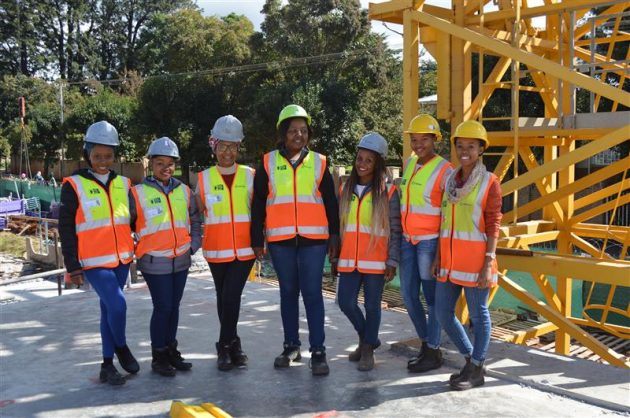
South Africa, a nation known for its rich history, cultural diversity, and breathtaking landscapes, has not only evolved in terms of social and political structures but has also seen remarkable advancements in various industries. In recent years, one of the most striking transformations has occurred in the construction sector, where women are increasingly taking the lead, challenging stereotypes, and actively contributing to the sector’s growth. As traditional gender roles continue to evolve, women in South Africa are breaking barriers and paving the way for a more inclusive and diverse construction industry.
Women in Construction: An Emerging Force
Historically, the construction industry has been overwhelmingly male-dominated, a reflection of global trends. However, in recent decades, South Africa has witnessed a gradual shift towards greater gender diversity within this sector. This transformation can be attributed to a combination of factors, including policy initiatives, changing societal attitudes, and the unwavering determination of women eager to make their mark in a traditionally male-centric field.
Women in South Africa are progressively finding their niche in various roles within the construction industry. From architects, engineers, and project managers to site supervisors and tradeswomen specializing in electrical work, plumbing, bricklaying, and more, women are entering and excelling in roles that were once largely considered off-limits to them. 

Challenges Faced by Women in Construction
Despite the progress, women in the South African construction industry continue to face several substantial challenges, which include:
1. Gender Bias: Stereotypes and gender bias persist in the construction industry, creating barriers that affect the career advancement and opportunities of women.
2. Limited Representation: Women remain underrepresented in leadership roles within construction companies, which can hinder their overall influence and impact.
3. Workplace Safety: The construction industry often demands physical strength and endurance, making it essential to ensure the safety and well-being of women on construction sites.
4. Unequal Pay: Gender pay gaps continue to be a pressing issue, with women often earning less than their male counterparts for similar work, despite their qualifications and experience.
5. Lack of Mentorship: Women may encounter difficulty finding mentors and role models in the industry, which can significantly hinder their professional development.
Progress and Achievements
In the face of these challenges, women in South Africa’s construction industry have achieved remarkable success. Notable accomplishments include:
1. Leadership Roles: Women have shattered the glass ceiling, taking on prominent leadership positions in construction companies and industry organizations.
2. Increased Representation: The number of women in construction has steadily risen, promoting a more inclusive and diverse workforce.
3. Skill Development: Women are actively acquiring the skills and qualifications needed to excel in various construction-related professions, further solidifying their presence in the industry.
4. Advocacy and Support: Women’s organizations, government initiatives, and advocacy groups are making concerted efforts to promote gender equality and provide better opportunities for women in the construction sector.
5. Empowerment: Many women in construction serve as role models for younger generations, inspiring more women to pursue careers in this field and reinforcing the belief that there are no boundaries to what they can achieve.
The Path Forward
To further encourage the participation of women in South Africa’s construction industry and continue the momentum toward greater gender diversity, several steps can be taken:
1. Education and Training: Encourage and support women in pursuing education and training in construction-related fields, ensuring they have the necessary knowledge and skills to thrive in the industry.
2. Mentorship Programs: Establish mentorship programs that connect experienced women in construction with those who are just beginning their careers, fostering guidance, support, and professional growth.
3. Workplace Inclusivity: Promote diversity and inclusivity within construction companies, creating an environment where all employees, regardless of gender, have equal opportunities to succeed.
4. Policy Changes: Advocate for policies that specifically address gender disparities in the construction industry, ensuring fair treatment, equal pay, and protection against discrimination.
5. Public Awareness: Raise public awareness of the remarkable accomplishments of women in construction, shining a spotlight on their achievements to inspire more women to enter the field.
Women in South Africa’s construction industry are making significant strides in breaking down barriers and shattering gender stereotypes. Their growing presence and influence within the field are not only contributing to a more diverse and equitable industry but also driving innovation and positive change. With continued support, education, and advocacy, the future holds even greater promise for women in the South African construction sector as they continue to shape the landscape of the nation’s infrastructure and build the dreams of generations to come. South Africa’s transformation in the construction industry is a testament to the country’s ongoing journey towards gender equality and empowerment.


