
Significance of Intersectionality in Women’s Empowerment
BY LESEGO POTO:
Women’s empowerment stands as a cornerstone of contemporary social movements, seeking to establish equal opportunities and rights for women across various spheres of life. Yet, it has become increasingly evident that a one-size-fits-all approach to empowerment is insufficient, as it overlooks the complex and diverse experiences and challenges faced by women. The concept of intersectionality, coined by Kimberlé Crenshaw, has emerged as a pivotal element in discussions surrounding women’s empowerment. Intersectionality recognizes that gender inequality is inseparably entwined with other dimensions of identity, including race, class, sexuality, and ability.
Understanding Intersectionality
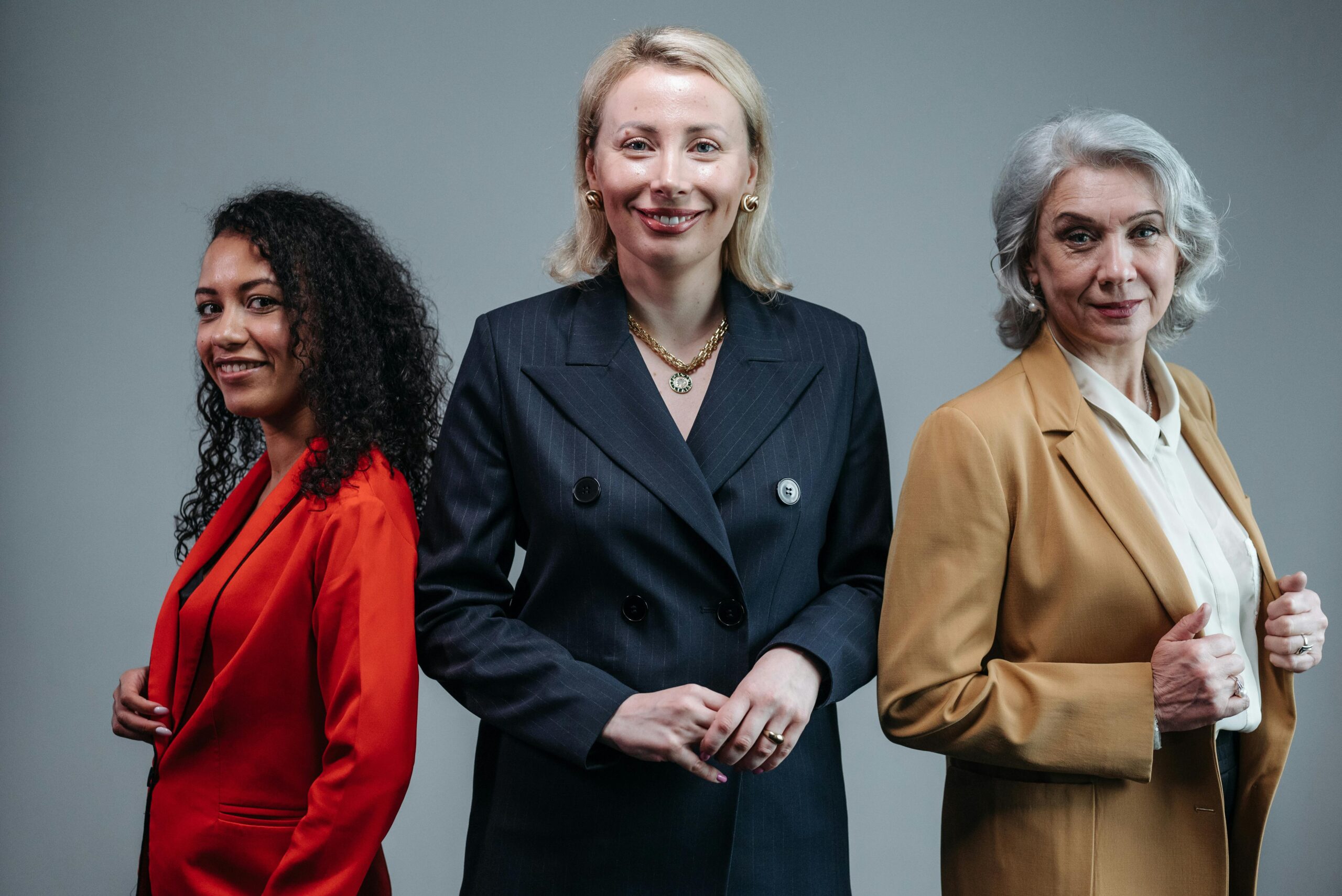
At its core, intersectionality is the acknowledgment that different facets of an individual’s identity intersect and overlap, creating a multifaceted and unique experience. Women are not a monolithic group; they hail from diverse backgrounds and bear identities shaped by an interplay of factors. These factors encompass, but are not limited to, race, ethnicity, religion, socioeconomic status, sexual orientation, disability, and more. Intersectionality is a recognition that the discrimination faced by a Black lesbian woman, for instance, differs significantly from that experienced by a white heterosexual woman. In essence, intersectionality emphasizes the significance of viewing each person as a whole, with a complex identity that cannot be reduced to a single dimension.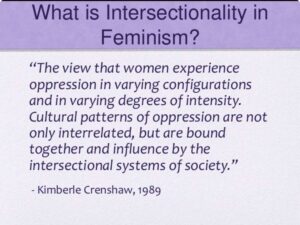
Challenges Addressed by Intersectionality
- Multiple Discrimination: Intersectionality highlights that some women experience multiple layers of discrimination. For instance, a woman of color not only faces gender-based discrimination but also racial bias. This dual burden can profoundly impact her empowerment, as the compounding effects of discrimination often restrict her opportunities and well-being.
- Marginalization: Intersectionality brings to the fore the experiences of marginalized groups within the broader women’s movement. By acknowledging the unique challenges faced by Indigenous women, disabled women, or trans women, empowerment efforts can become more inclusive, ensuring that no one is left behind.
- Stereotypes and Bias: Stereotypes about women are frequently rooted in a limited understanding of the experiences of white, middle-class, heterosexual women. Intersectionality challenges these stereotypes, broadening the narrative to reflect the diversity of women’s lives.
Ways Intersectionality Enhances Women’s Empowerment
- Inclusive Policies and Programs: Intersectionality encourages the development of policies and programs tailored to the specific needs of different groups of women. This can encompass addressing economic disparities, ensuring access to quality healthcare, and promoting representation in leadership roles for all women, irrespective of their intersecting identities.
- Raising Awareness: By embracing intersectionality, the women’s empowerment movement can heighten awareness of the distinctive challenges faced by marginalized groups. This awareness can drive support and solidarity among women from diverse backgrounds, fostering a more inclusive movement.
- Allyship and Solidarity: Intersectionality promotes allyship and solidarity among women. It encourages women from privileged backgrounds to recognize their own advantages and use their privilege to support and uplift women facing multiple layers of discrimination.
- Intersectional Leadership: Encouraging leadership from individuals who represent different facets of diversity can lead to more inclusive decision-making and the development of strategies that address the specific needs of different communities.
Intersectionality in women’s empowerment represents a vital approach to ensure that all women, regardless of their diverse identities, have the opportunity to flourish and achieve their full potential. By acknowledging the intersection of gender with other dimensions of identity, the women’s empowerment movement can address the unique challenges faced by marginalized women, promote inclusivity, and work towards a world where all women can enjoy their full rights and opportunities. Embracing intersectionality is not just a strategy for achieving gender equality; it is an essential step toward creating a more just and equitable society for all. Women’s empowerment must not be a one-size-fits-all endeavor; it should be an all-encompassing movement that respects and empowers the richness of diverse identities.