

IMPLEMENTATIONS TO GENDER WEALTH GAP

The gender wealth gap is a persistent and concerning issue that affects individuals, families, and societies at large. It encompasses disparities in financial assets, property, and overall economic well-being between men and women. Despite progress in recent decades, women still face significant challenges in accumulating wealth, which can have far-reaching implications for their financial security and overall quality of life.
Understanding the Gender Wealth Gap
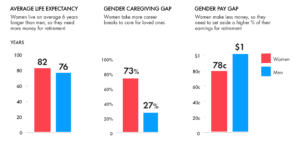
- Income Disparities One of the primary factors contributing to the gender wealth gap is the disparity in income between men and women. Women often earn less than their male counterparts for the same work. This pay gap not only limits women’s ability to save and invest but also leads to reduced retirement savings and social security benefits.
- Unpaid Labor Women often bear a disproportionate burden of unpaid domestic and caregiving work. This limits their ability to participate in the labor market and invest in their careers, leading to a lower earning potential and reduced wealth accumulation over time.
- Investment Disparities Studies have shown that women tend to be more risk-averse when it comes to investing, which can result in lower returns on their investments. Additionally, they may have limited access to investment opportunities, further exacerbating the wealth gap.
Solutions to Address the Gender Wealth Gap
- Equal Pay for Equal Work Implementing and enforcing policies that ensure equal pay for equal work is a fundamental step in narrowing the gender wealth gap. This includes pay transparency, anti-discrimination measures, and salary negotiation training.
- Support for Women in the Workforce Offering paid family leave, affordable childcare, and flexible work arrangements can help women balance their caregiving responsibilities with their careers. This can improve women’s workforce participation and reduce career interruptions.
- Financial Education Promoting financial literacy and education for women is essential. It can help women make informed decisions about budgeting, saving, and investing, ultimately empowering them to grow their wealth.
- Encourage Investment Encouraging women to invest in stocks, bonds, and other financial assets can be instrumental in closing the wealth gap. Investment platforms can create educational programs targeted at women and offer resources to help them build their investment portfolios.
- Mentorship and Networking Building strong professional networks and mentorship programs for women can help them access opportunities, receive guidance, and advance in their careers. This can be particularly helpful in male-dominated fields.
- Entrepreneurship Support Encouraging and supporting women to become entrepreneurs can provide an avenue for wealth creation. Programs that offer funding, mentorship, and resources for female entrepreneurs can be pivotal in addressing the gender wealth gap.
7. Retirement Planning Ensuring that women have access to retirement planning tools and resources can help them save adequately for their later years. Workplace retirement plans and individual retirement accounts (IRAs) can be instrumental in this regard.
(Financial Services and the Gender Wealth Gap)
The gender wealth gap is a multifaceted issue rooted in income disparities, caregiving responsibilities, investment biases, and more. By implementing a combination of policies, educational initiatives, and support systems, we can navigate a path toward a more equitable financial future. Reducing this gap not only benefits women but also contributes to economic growth and stability, creating a fairer and more prosperous society for all