



BY: LESEGO POTO

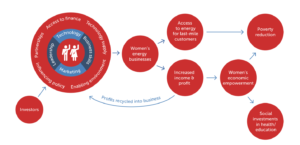
Financial empowerment for women is not merely a trendy phrase; it represents a critical stride towards achieving gender equality and advancing society as a whole. Throughout history, women have faced economic disparities and encountered barriers to financial resources. However, the current landscape is evolving, placing greater emphasis on empowering women financially. This transformation isn’t solely a matter of social justice; it is also a shrewd economic choice. Expand your knowledge on the profound significance of financial empowerment for women and explores various strategies to make it a reality.
The Importance of Financial Empowerment for Women
- Gender Equality: Financial empowerment serves as a cornerstone of gender equality. When women exercise control over their financial resources, they attain a more influential role in decision-making, both within their families and in society at large. This shift contributes to a more equitable distribution of power and resources.
- Economic Growth: Empowering women financially has a direct, positive impact on economic growth. Numerous studies have established that closing the gender gap in labor force participation and entrepreneurship can substantially bolster a country’s GDP. The untapped potential of women in the workforce is a tremendous economic asset.
-
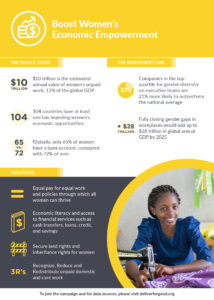
(Boost Women’s Economic Empowerment – Women Deliver) Poverty Reduction: Women who are financially empowered are more likely to escape poverty and provide better opportunities for their families. By ensuring women have the means to support themselves, we can disrupt the cycle of poverty and elevate living standards for entire communities.

Strategies for Financial Empowerment
- Financial Education: Furnishing women with the knowledge and skills necessary to manage their finances is indispensable. Financial literacy programs should encompass various aspects, including budgeting, saving, investing, and debt management. These programs should be accessible, adaptable, and tailored to meet individual needs.
- Equal Pay: Addressing the gender pay gap is a pivotal step towards financial empowerment. Women should receive the same compensation as their male counterparts for equivalent work. Achieving this entails legislative reforms and corporate policies that actively promote pay equity.
- Access to Credit and Capital: Women entrepreneurs often encounter challenges when seeking credit and capital. To counter this, governments and financial institutions should establish programs and incentives designed to support women-owned businesses. These measures can facilitate economic growth and job creation.
- Affordable Childcare: Affordable and accessible childcare options allow women to work and pursue their careers without compromising their financial security. This is particularly transformative for working mothers, enabling them to balance their roles effectively.
- Supportive Workplace Policies: Corporations should implement policies that foster work-life balance, including flexible working hours and generous parental leave. These measures empower women to pursue their careers while effectively managing family responsibilities.
- Digital Financial Inclusion: Promoting digital financial inclusion ensures that women can access and manage their finances conveniently. Technologies such as mobile banking, online financial services, and digital wallets provide greater financial autonomy.
- Savings and Investment: Encouraging women to save and invest their money prudently is essential. Savings accounts, investment opportunities, and retirement plans can help secure their financial future, providing peace of mind and financial stability.
- Entrepreneurship: Support for female entrepreneurship is crucial. This support can be delivered through training programs, access to networks, and funding opportunities. Entrepreneurial endeavors often empower women economically and lead to job creation, thus driving socioeconomic progress.
- Mentorship and Networking: Connecting women with mentors and professional networks can offer invaluable guidance and opportunities for career and business growth. Mentorship empowers women to navigate professional challenges effectively.
Financial empowerment for women is not just about money; it’s about dismantling the historical barriers that have held women back. When women have control over their finances, they can break the cycle of poverty, contribute significantly to economic growth, and actively participate in decision-making processes. Empowering women financially is a win-win for society. By implementing strategies such as financial education, equal pay, access to credit, and supportive policies, we can take significant steps toward achieving this goal. It’s high time to ensure that women have the financial independence they deserve, and in doing so, build a more equitable and prosperous world for all. By supporting financial empowerment, we pave the way for a more inclusive and equitable future where the potential of women is fully realized.


