



BY LESEGO POTO
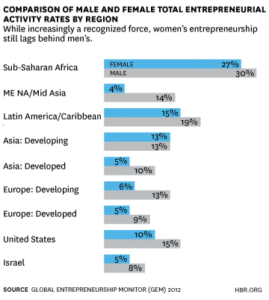
Africa is a continent of immense diversity, rich cultures, and untapped potential. Over the years, one of the most remarkable transformations taking place across the continent is the rise of female entrepreneurs. African women have been breaking barriers and defying the odds to establish successful businesses, contributing to economic growth, empowerment, and social change.
Historical Context
Historically, women in Africa have faced numerous social, economic, and cultural barriers that limited their participation in entrepreneurial activities. Traditional gender roles and access to resources, such as education and capital, have often been unequal. However, this is changing as African women are increasingly challenging these norms and building businesses that span various sectors.
Inspiring Success Stories
- Chimamanda Ngozi Adichie: While primarily known as a celebrated author, Adichie is also an advocate for women’s rights and empowerment. She started an annual creative writing workshop, Purple Hibiscus Trust, to nurture the talents of young female writers in Nigeria.
- Bethlehem Tilahun Alemu: Alemu, an Ethiopian entrepreneur, founded soleRebels, a sustainable footwear company that not only creates job opportunities but also promotes environmental sustainability and social development.
- Magatte Wade: Originally from Senegal, Wade is a serial entrepreneur who co-founded Tiossan, a high-end skincare brand that draws inspiration from her African roots and has garnered global attention.
- Tara Fela-Durotoye: Fela-Durotoye, from Nigeria, is the founder of House of Tara, a leading beauty and cosmetics brand. She has paved the way for many African women in the beauty industry.
Challenges Faced by Female Entrepreneurs
Despite their successes, female entrepreneurs in Africa continue to encounter several challenges, including:
- Access to Finance: Women often struggle to secure capital due to discriminatory lending practices and limited collateral, which hampers their ability to scale their businesses.
- Sociocultural Norms: Deep-rooted gender stereotypes can discourage women from pursuing entrepreneurial ventures. They often face societal expectations that prioritize family and homemaking over business.
- Networking and Mentorship: A lack of access to influential networks and mentors can hinder the growth of female entrepreneurs. Building relationships and gaining guidance is essential for success.
- Market Access and Infrastructure: Inadequate infrastructure and limited access to markets can create logistical challenges for women-led businesses.
Opportunities for Growth
Efforts to support and empower female entrepreneurs in Africa are on the rise. Here are some of the opportunities and initiatives that can drive further growth:
- Microfinance and Investment Programs: Governments and international organizations are promoting microfinance and investment programs specifically designed for women, providing them with access to capital and financial education.
- Education and Training: Entrepreneurship training programs and mentorship initiatives can equip women with the skills and knowledge needed to run successful businesses.
- Networking and Collaboration: Building strong networks and fostering collaboration among female entrepreneurs can help them access resources, gain exposure, and share experiences.
- Legal Reforms: Advocacy for legal reforms that promote gender equality in the business world can help eliminate discriminatory practices and provide a supportive environment for female entrepreneurs.
The rise of female entrepreneurs in Africa is an inspiring and transformative phenomenon that deserves recognition and support. These women are not only contributing to economic growth but are also agents of social change. While challenges persist, the opportunities for empowerment and growth are increasing, offering a promising future for women in business on the African continent. With the right support, female entrepreneurs in Africa have the potential to reshape the business landscape and drive sustainable development across the region.