


BY: LESEGO POTO
Women’s empowerment is a vital driver of social and economic development, especially in developing countries. It entails providing women with the tools, knowledge, and opportunities necessary to take control of their lives, make informed decisions, and contribute to their communities and societies. Lets read into the multifaceted importance of women’s empowerment in developing countries, the challenges they encounter, and the transformative potential it holds across various domains.
The Significance of Women’s Empowerment
- Economic Growth: Women constitute a substantial portion of the workforce in developing countries. By empowering them through education and employment opportunities, these nations can harness a vast pool of talent and significantly boost their economic output. When women have access to jobs and income, it not only benefits their families but also contributes to the overall growth of the national economy.
- Education: Ensuring that girls have equal access to education is a fundamental facet of women’s empowerment. Educated women are more likely to make informed decisions about their lives, health, and families. Moreover, educated women are better equipped to participate in the workforce and drive innovation and progress in various fields.
-
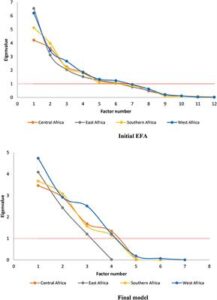
( Measuring Women’s Empowerment in Sub-Saharan Africa) Health and Family Welfare: Empowered women tend to prioritize the health and well-being of their families. By providing women with information and access to healthcare services, maternal and child mortality rates can be reduced, and the overall health of communities can improve.

Challenges to Women’s Empowerment in Developing Countries
- Gender-Based Discrimination: Discrimination against women persists as a pervasive issue in many developing countries. Deep-rooted gender norms and cultural practices often limit women’s access to education, economic opportunities, and decision-making power.
- Lack of Access to Healthcare: In many areas, women face limited access to healthcare services, including family planning and reproductive healthcare. This not only affects their health but also their ability to plan and manage their families.
-
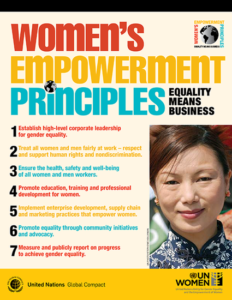
(Endorse the Women’s Empowerment Principles ) Economic Disparities: Economic disparities continue to be a significant barrier in many developing countries, making it difficult for women to access credit, start businesses, or participate in the formal economy.

Ways to Empower Women in Developing Countries
- Education: Governments and organizations must strive to ensure that girls have equal access to education. This involves building schools, providing scholarships, and addressing cultural barriers to girls’ education.
- Economic Opportunities: Programs that offer training and support for women entrepreneurs, as well as access to microcredit, can help women initiate and expand their businesses.
- Healthcare Access: Efforts should be made to improve women’s access to healthcare, including family planning services, prenatal care, and maternal health services.
- Legal Reforms: Implementing legal reforms that protect women’s rights and promote gender equality is indispensable. These reforms can address issues such as domestic violence, property rights, and workplace discrimination.
- Changing Cultural Norms: Addressing deep-seated cultural norms and beliefs that perpetuate gender inequality is a long-term but pivotal step in women’s empowerment. Community education and awareness campaigns can play a substantial role in challenging these norms.
Empowering women in developing countries transcends gender equality; it is a pathway to progress across numerous fronts. When women are educated, economically independent, and healthy, the benefits extend to their families, communities, and nations as a whole. Efforts to empower women in developing countries should be a central focus for governments, international organizations, and local communities because they hold the key to a brighter and more prosperous future for all. This journey toward women’s empowerment is not only about recognizing their potential but also about unleashing it to create positive change in the world.


