
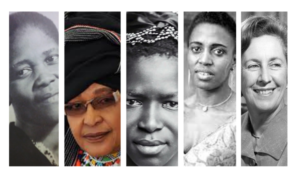


Throughout History, the Role of Women in Leadership

The history of women in leadership roles is a complex tapestry of struggle, achievement, and resilience. For centuries, women have been navigating a world where societal norms and expectations often stood as barriers to their advancement. Yet, women have consistently demonstrated their capabilities as leaders in various fields, from politics and business to academia and community organizations. As the world has evolved, so too has the role of women in leadership, with women increasingly taking on influential roles that shape our collective future.
The Importance of Women in Leadership
- Diverse Perspectives: One of the fundamental reasons why women in leadership are crucial is their ability to bring diverse perspectives to the table. As leaders, women often approach problem-solving and decision-making differently from their male counterparts. Their unique experiences and viewpoints can lead to more comprehensive and innovative solutions. In a world marked by complex issues, this diversity is invaluable. The inclusion of women’s perspectives enriches the decision-making process, contributing to well-rounded and holistic solutions that benefit society as a whole.
- Role Models: Women leaders serve as powerful role models for younger generations. When girls and young women see women succeeding in leadership roles, it inspires them to dream big and aspire to leadership positions themselves. Representation matters, and women leaders help break down stereotypes and pave the way for future female leaders. The existence of women in leadership positions sends a clear message: gender does not limit one’s potential, and young women can achieve anything they set their minds to.
- Improved Organizational Performance: Numerous studies have shown that organizations with gender-diverse leadership teams tend to perform better. A mix of gender perspectives fosters better decision-making, higher employee satisfaction, and increased profitability. Women in leadership contribute to the success of organizations in a tangible way. This not only enhances the bottom line but also fosters an inclusive and respectful workplace culture that attracts talent and encourages collaboration.
Challenges Faced by Women in Leadership
- Gender Bias: Despite progress, gender bias still prevails in many industries and organizations. Stereotypes and preconceived notions about women’s abilities continue to impact their advancement in leadership roles. This bias often manifests in the form of the gender pay gap and underrepresentation in executive positions. It is essential to challenge these biases and work toward creating a level playing field for women in leadership.
- Work-Life Balance: Balancing leadership roles with family responsibilities can be particularly challenging for women. The expectation that women bear the primary caregiving role can hinder their career progression. Initiatives that promote flexibility and support women in managing their work and personal lives are crucial. Society should acknowledge and support the diverse roles women play, allowing them to fulfill their professional aspirations while maintaining fulfilling personal lives.
- Lack of Mentorship: The scarcity of female mentors and sponsors can be a hurdle for women aspiring to leadership roles. Mentorship plays a pivotal role in career development, and women may face challenges in finding the guidance and support they need. It is imperative to establish mentoring programs that connect experienced women leaders with emerging talent to nurture the next generation of female leaders.
Impact of Women in Leadership
- Progress Toward Gender Equality: Women in leadership positions often champion policies and initiatives that promote gender equality. Their influence on legislation, corporate policies, and societal norms can create a more equitable environment for everyone. The advocacy of women leaders can lead to legal changes that protect the rights and opportunities of women, moving society closer to true gender equality.
- Innovation and Collaboration: Diverse leadership teams, including women, tend to be more innovative and better at problem-solving. The integration of different perspectives fosters a culture of collaboration and creativity that drives progress and growth. By encouraging a wide range of voices and ideas, women in leadership contribute to the development of innovative solutions and strategies that benefit organizations and societies at large.
- Empowerment of Women: Women in leadership inspire other women to aim for leadership roles. By breaking barriers and achieving success, they send a powerful message that women can overcome obstacles and lead effectively. This empowerment ripples through society, creating a more inclusive and diverse leadership landscape. Women who see other women in leadership roles gain confidence and determination to pursue their aspirations, strengthening the pipeline of future female leaders.
Women as leaders are instrumental in shaping a more inclusive and equitable world. Their unique perspectives, experiences, and leadership styles contribute to better decision-making, innovation, and progress toward gender equality. While challenges persist, the importance of women in leadership cannot be overstated. As society continues to evolve, embracing and supporting women in leadership positions is not only the right thing to do, but it is also the path to a brighter, more equitable future for all. Women in leadership are not just symbols of progress but driving forces for positive change, helping us to break down the barriers that have held back gender equality for too long.